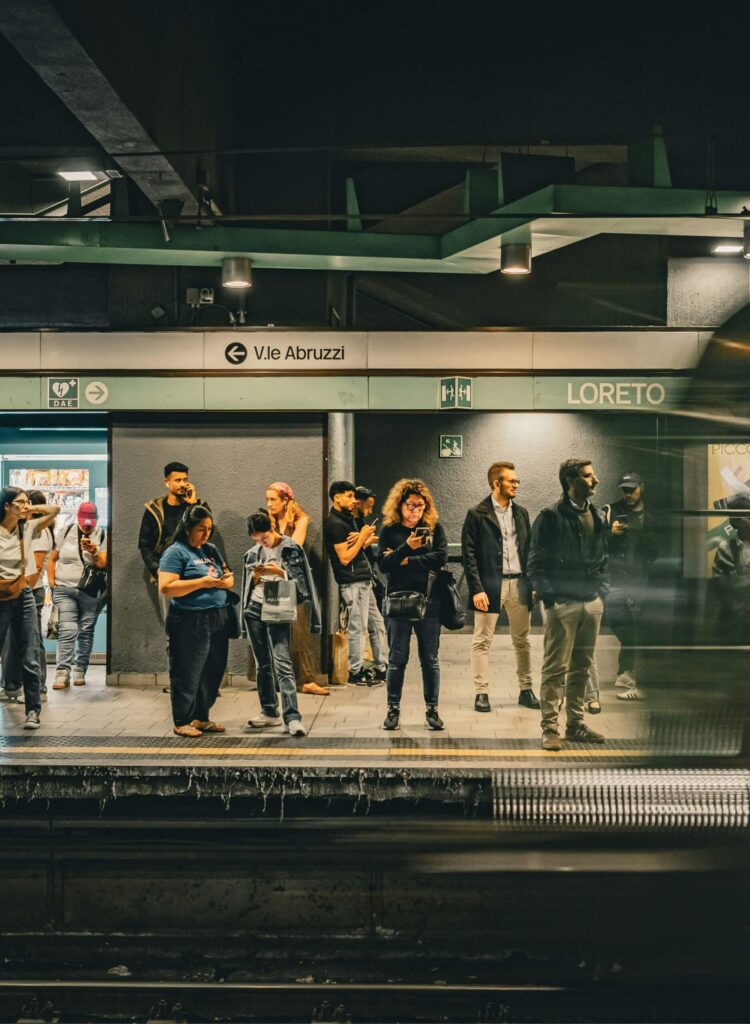
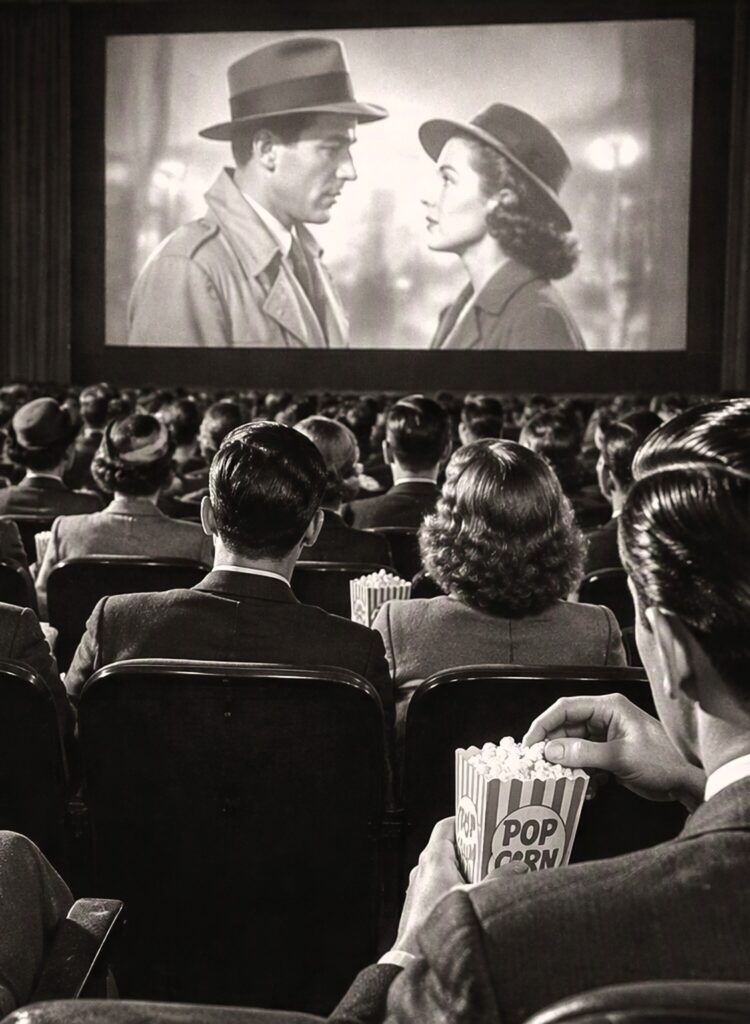
In a sea of video content, films remain Italians’ favourite form of entertainment. They watch them on television, via streaming platforms and at the cinema, where visits may be less frequent, but the experience is more immersive and shared. Ticket prices and distance are the main barriers.
Cinema continues to play a central role in Italian life. We live surrounded by moving images: according to CSA’s October 2026 survey, four in ten Italians spend more than two hours a day watching video content. Among TV series, social media, tutorials and reality shows, films still reign supreme. Some 63% of Italians say they regularly watch films, well ahead of TV dramas and series, news, sports and entertainment programmes. This passion cuts across age groups and genders: 70% of Italians watch at least one film a week, while only a very small minority never watch films at all.
Comedy for Her, Action for Him
Among film viewers, comedy and action are the most popular genres, with a clear gender divide: women tend to prefer comedy, while men favour action. Thrillers and crime films, on the other hand, appeal to both. This reflects the same enthusiasm for crime and true crime that can be seen in television series. Horror remains a niche genre, particularly popular among the under-55s. Italian and American films attract almost equal levels of interest. When it comes to dubbing, however, preferences are clear: watching films in their original language with subtitles remains largely a choice for dedicated film enthusiasts.
The Seventh Art and Italian Cinema as a Cultural Identity
For Italians, cinema is more than just a pastime. Some 62% consider it an important art form, one that inspires interest and rarely leaves people indifferent.
Italian cinema holds a special place: 59% of Italians believe it has a distinctive identity, while 49% regard Italian actors and directors as being of a high standard.
Less widely recognised, however, is its ability to portray the country itself. Italian filmmakers appear more successful at expressing their own perspectives and personal worlds, through an individual and distinctive style, than at representing society as a whole.
On Television, via Streaming and at the Cinema
Rather than turning away from films, Italians have multiplied the ways in which they watch them.
Among film viewers, traditional television remains the leading channel (48%), followed by subscription streaming services (39%), which are also mainly watched on television screens.
Generational differences are pronounced: streaming platforms dominate among 16–24-year-olds, while those aged over 75 remain loyal to free-to-air television.
Then there is the cinema itself, a less frequent choice. Over the past twelve months, 49% of Italians have been to the cinema at least once, while 12% go approximately once every two months.
The typical cinema-goer has a clear profile: young, educated, employed and living in a household with children.
Together in the Dark: The Magic of the Big Screen
At the cinema, watching a film becomes an event.
Among those who have visited a cinema in the past year, the quality of the experience matters most: the large screen, with its images and special effects (73%), and the opportunity to become completely immersed in the film, without phones or distractions (70%).
The company matters too. One in two cinema-goers attends with a partner, one in three with friends or family, and fewer than one in ten go alone.
The cinema celebrates both the experience of going out as a couple and the pleasure of spending time together, particularly among 16–24-year-olds. And the ritual itself — the darkness, the popcorn, the ticket being torn — matters to 45% of cinema-goers.
But the value of cinemas extends beyond the films they show. For 54% of Italians, cinemas are an important part of their local cultural infrastructure.
A majority see the closure of cinemas in smaller towns as a problem and believe the government should encourage access, for example by offering discounted tickets to young people.
What Holds People Back: Ticket Prices and Distance
Among those who have not been to the cinema in the past year, one in two simply say they prefer watching films at home, while 29% consider cinema tickets too expensive.
Cinema-goers generally appreciate the venues themselves, describing them as comfortable and well maintained. But price remains the weak point: only one in four considers ticket prices reasonable.
Distance reveals an interesting U-shaped pattern. It is a greater obstacle in small towns and large cities, where one in five film viewers considers cinemas difficult to reach.
These are probably two different problems: smaller towns often lack cinemas altogether, while in large cities getting to one can mean dealing with traffic and parking.
What Could Bring Audiences Back: Lower Prices and More Accessible Cinemas
Just over half of Italians say they would go to the cinema more often if tickets were cheaper. Among 16–24-year-olds, that proportion rises to seven in ten.
A wider choice of films and cinemas closer to home are considerably less influential factors.
Cinema still holds a special place in Italians’ hearts. They watch plenty of films, on television and through streaming services. And when they choose to go to the cinema, they do so for an experience that no living-room sofa can replicate: the big screen, the darkness and the person sitting beside them.
Methodological Note
CSA Research survey, October 2026: 1,270 interviews with the Italian population aged 16 and over. Data are weighted.
Percentage calculations are based on the following groups:
• “Italians”: total sample (1,270 respondents).
• “Film viewers”: respondents who watch films (1,184 respondents).
• “Cinema-goers” and “those who have been to the cinema”: respondents who visited a cinema in the past 12 months (615 respondents).
• “Those who have not been to the cinema”: respondents who did not visit a cinema in the past 12 months (569 respondents).
To receive the full survey report or explore the findings in greater detail, contact CSA Research.